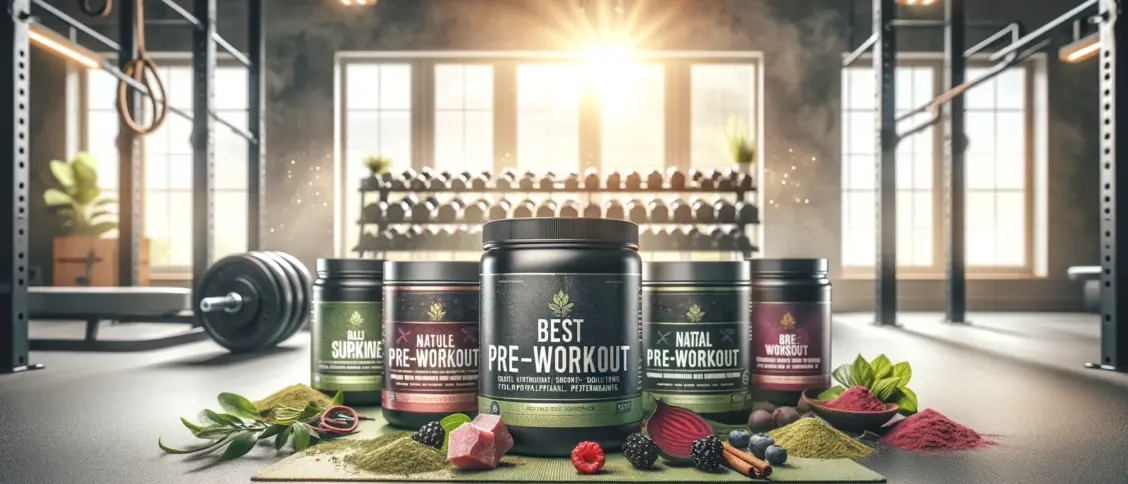
Getting a solid pre-workout doesn’t have to drain your wallet. Whether you’re a seasoned lifter or just starting out, finding the best and cheapest pre-workout comes down to understanding what ingredients actually matter, what’s just marketing fluff, and how to compare on a per-serving basis rather than sticker price alone. If you’re looking for a curated list of top picks, check out The 9 Best Pre-Workouts for Women’s Weight Loss as a solid reference point for ingredient quality and value.
This guide breaks down everything you need to know to make a smart, budget-conscious decision without sacrificing performance.
Key Takeaways
- Price per serving matters far more than the total price on the label
- A handful of corecaffeine, beta-alanine, citrulline) do most of the heavy lifting
- Many budget pre-workouts are underdosed, so always check serving sizes and ingredient amounts
- Proprietary blends hide actual dosages and should be treated with caution
- You can often build your own pre-workout stack for less than $0.50 per serving
- Stimulant-free and can be just as effective for some training goals
- Third-party testing adds credibility, even in affordable products
What Makes a Pre-Workout Worth Buying?
Before you can find the best and cheapest pre-workout, you need to know what separates a genuinely effective product from one that’s mostly hype and food coloring.
The Core Ingredients That Actually Work
Not every ingredient on a supplement label has research backing it. The following have solid evidence supporting their use in exercise performance:
- Caffeine – The gold standard stimulant for energy, focus, and endurance. Effective doses range from 150mg to 300mg depending on your tolerance
- L-Citrulline or Citrulline Malate – Supports nitric oxide production and blood flow, improving endurance and the pump. Look for at least 6g of L-Citrulline or 8g of Citrulline Malate
- Beta-Alanine – Buffers lactic acid and delays muscle fatigue. Effective dose is 3.2g per day; responsible for the harmless tingling sensation many people notice
- Creatine Monohydrate – Improves strength and power output. Effective at 3-5g daily, though many pre-workouts underdose this
- Betaine Anhydrous – Supports power and endurance; 2.5g is the clinically studied dose
- Electrolytes – Sodium, potassium, and magnesium support hydration and muscle function during intense training
Ingredients That Are Often Overhyped
Some ingredients appear frequently in pre-workouts but have limited or mixed evidence:
- Proprietary “energy blends” with unnamed quantities
- Exotic botanical extracts at trace doses
- BCAAs in pre-workout (better suited for intra-workout use)
- Unnecessary fillers or artificial sweeteners in excessive amounts
How to Evaluate Price the Right Way
The biggest mistake people make when shopping for budget pre-workout is comparing total price without calculating cost per serving. A $20 tub with 20 servings costs more per workout than a $35 tub with 60 servings.
Cost Per Serving Breakdown
| Product Size | Total Price | Servings | Cost Per Serving |
|---|---|---|---|
| Small tub (20 servings) | $20 | 20 | $1.00 |
| Mid-size tub (30 servings) | $25 | 30 | $0.83 |
| Large tub (60 servings) | $35 | 60 | $0.58 |
| Bulk powder (90 servings) | $40 | 90 | $0.44 |
Always do this math before purchasing. A product that seems expensive upfront often turns out to be the most economical option over a full month of training.
What’s a Reasonable Budget?
For a genuinely effective pre-workout with properly dosed ingredients, expect to pay between $0.50 and $1.00 per serving. Products priced below $0.50 per serving often cut corners on ingredient quality or dosage. Products above $1.50 per serving are usually paying for branding, not better performance.
Common Pitfalls of Cheap Pre-Workouts
Budget doesn’t have to mean bad, but there are patterns to watch for in low-cost products.
Underdosing
This is the most widespread issue. A pre-workout might list citrulline on the label but include only 1-2g per serving instead of the effective 6g. It technically contains the ingredient, but at a dose that won’t do much.
Proprietary Blends
Some manufacturers group multiple ingredients under a single “blend” with one total weight listed. This makes it impossible to know how much of each ingredient you’re actually getting. Avoid proprietary blends when possible, especially in budget products where underdosing is already a concern.
Excessive Stimulants
Some cheap pre-workouts compensate for poor ingredient profiles by loading up on caffeine, sometimes 350mg or more per serving. High caffeine doses can cause jitteriness, elevated heart rate, and poor sleep if taken too late in the day. More caffeine is not better.
Ingredient Quality Comparison: Budget vs. Premium
| Feature | Budget Pre-Workout | Premium Pre-Workout |
|---|---|---|
| Caffeine dose | Often 150-200mg | 200-300mg, sometimes split-release |
| Citrulline dose | Often 2-4g | 6-8g (clinical dose) |
| Beta-alanine | Often 1-2g | 3.2g (clinical dose) |
| Proprietary blends | Common | Less common |
| Third-party tested | Rare | More common |
| Cost per serving | $0.30-$0.70 | $1.00-$2.00+ |
| Sweeteners | Artificial | Natural or artificial |
The DIY Pre-Workout Option
One of the most underrated strategies for getting the best and cheapest pre-workout is building your own stack from bulk ingredients. This approach gives you full control over dosing, avoids unnecessary additives, and almost always costs less than pre-made products.
A Simple DIY Pre-Workout Formula
- Caffeine anhydrous (200mg) – roughly $0.03 per dose
- L-Citrulline (6g) – roughly $0.20 per dose
- Beta-Alanine (3.2g) – roughly $0.08 per dose
- Creatine Monohydrate (5g) – roughly $0.10 per dose
Total estimated cost: under $0.45 per serving
You mix these into water or juice before training. There’s no fancy flavor or branding, but the performance benefits are identical to what you’d get from a premium product. For more on creatine supplementation specifically, Creatine Gummies: A Comprehensive Guide to This New Supplement Form is worth reading to understand how this ingredient works.
Stimulant-Free Pre-Workouts on a Budget
Not everyone wants caffeine in their pre-workout. If you train in the evenings, are caffeine-sensitive, or simply want to avoid stimulants, there are effective non-stimulant options that are also budget-friendly.
Key ingredients to look for in stimulant-free pre-workouts:
- L-Citrulline for blood flow and endurance
- Beta-Alanine for buffering fatigue
- Betaine for power output
- Elect
- Rhodiola Rosea or Ashwagandha for stress adaptation and focus
These products tend to be slightly cheaper because stimulant caffeine sourcing adds to production costs.
What to Look for on the Label
Reading a supplement label confidently is a skill that saves money and protects your health. Here’s what to prioritize:
- Supplement Facts panel – Check that every active ingredient has amount
- Serving size – Some products list impressive ingredient totals but recommend two scoops, effectively halving the serving count
- Third-party certifications – Look for NSF Certified for Sport, Informed Sport, or USP verification
- Allergen information – Relevant if you have sensitivities to gluten, dairy, or soy
- Expiration date – Especially important when buying in bulk or from discount retailers
If you’re also building out a home training setup to maximize your workouts, How to Build a Home Gym on a Budget covers how to get quality equipment without overspending, which pairs well with a smart supplement strategy.
Energy Drinks as a Pre-Workout Alternative
Some athletes skip traditional pre-workout powders entirely and use energy drinks instead. This can be a legitimate budget strategy if you choose the right product. The key is finding options that provide caffeine and electrolytes without excessive sugar.
Stevia Energy Drinks vs Regular Energy Drinks is a useful breakdown if you’re considering this route, and The 7 Best Energy Drinks offers a curated list of options worth considering.
The mainside of energy drinks as pre-workout is that they rarely contain performance-specific ingredients like citrulline or beta-alanine at effective doses. They’re better for general energy than optimized athletic performance.
Quick Checklist Before You Buy
Before committing to any pre-workout, run through this checklist:
- [ ] Is the cost per serving under $1.00?
- [ ] Are all ingredient amounts listed (no proprietary blends)?
- [ ] Does it contain at least 150mg of caffeine (if stimulant-based)?
- [ ] Is citrulline dosed at 4g or higher?
- [ ] Is beta-alanine at 2g or higher?
- [ ] Does it have any third-party testing certification?
- [ ] Is the serving count accurate for the price you’re paying?
Conclusion
Finding the best and cheapest pre-workout isn’t about hunting for the lowest sticker price. It’s about understanding what ingredients actually work, knowing the clinical doses that produce results, and calculating what you’re genuinely paying per training session. A $35 product with 60 properly dosed servings will always outperform a $15 product that’s mostly caffeine and filler.
If you want maximum control and minimum cost, building your own stack from bulk ingredients is hard to beat. If you prefer a ready-made product, prioritize transparent labels, evidence-based ingredients, and cost per serving. Your training deserves better than clever marketing, and your budget deserves better than overpriced branding.
For those combining smart supplementation with equally smart equipment choices, Quick Workouts at Home: How to Get Fit Without a Gym is a great companion resource to help you train effectively regardless.
FAQs
What is the cheapest effective pre-workout ingredient?
Caffeine anhydrous is the most affordable and well-researched pre-workout ingredient available. You can buy it in bulk powder or capsule form for just a few cents per dose, making it the foundation of any budget pre-workout approach.
Is it safe to take pre-workout every day?
Most experts recommend cycling off pre-workout every 6 to 8 weeks to prevent caffeine tolerance buildup. Daily use is generally considered safe for healthy adults, but taking occasional breaks helps maintain its effectiveness.
Can I use coffee instead of pre-workout?
Yes, black coffee is a legitimate and inexpensive alternative to pre-workout for energy and focus. However, it won’t provide performance-specific ingredients like citrulline or beta-alanine, so it’s better suited for moderate-intensity training.
Why does cheap pre-workout cause more tingling than expensive ones?
The tingling sensation comes from beta-alanine, not from the price of the product. Some budget pre-workouts use full doses of beta-alanine while skimping on other ingredients, which can make the tingling more noticeable relative to other effects.
How do I know if a pre-workout is underdosed?
Compare the ingredient amounts listed on the label against the clinically studied doses. If citrulline is listed at 2g instead of 6g, or beta-alanine at 1g instead of 3.2g, the product is underdosed regardless of how it’s marketed.
This article was last updated on April 20, 2026 .