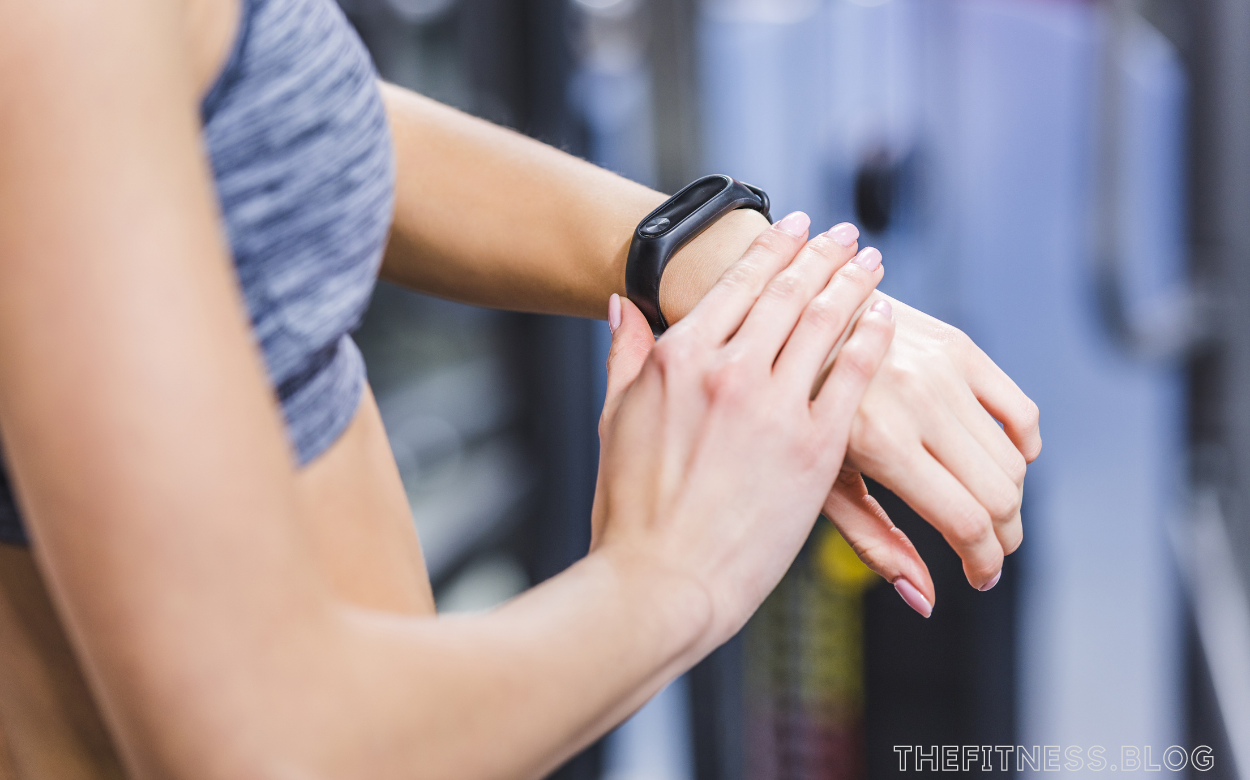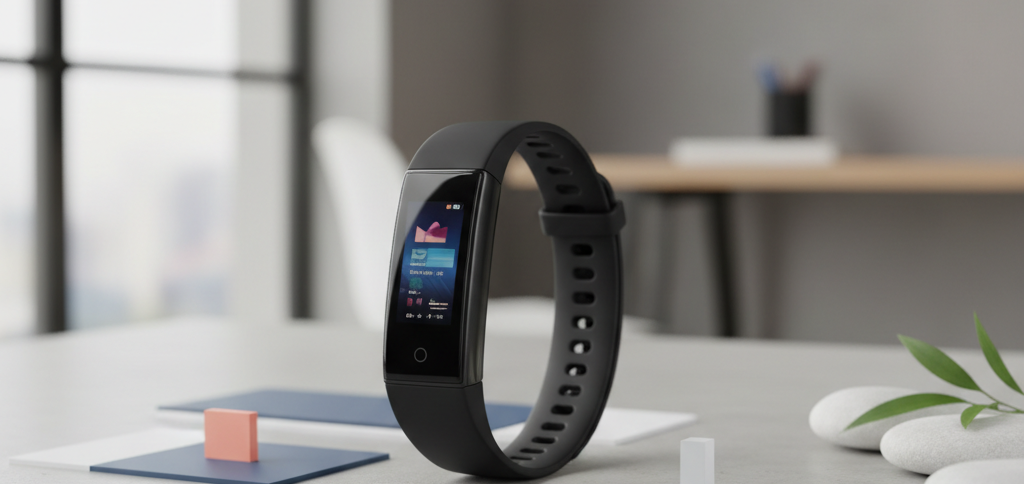
Slim fitness trackers have become one of the most practical wearable tools for people who want health insights without the bulk of a traditional smartwatch. They sit low on the wrist, blend into everyday outfits, and deliver meaningful data without getting in the way.
Whether you work a desk job, hit the gym regularly, or simply want to monitor your sleep and heart rate, a slim tracker offers a discreet way to stay informed about your health. This guide covers what to look for, who benefits most, and which options stand out.
Quick Answer: What Is the Best Slim Fitness Tracker?
The best slim fitness trackers balance a lightweight, low-profile design with accurate health monitoring features like heart rate tracking, sleep analysis, and step counting. Top options include the Fitbit Inspire 3, the Fitbit Air, and budget-friendly alternatives like the Bakoor Fitness Tracker, each offering a distinct combination of size, features, and price.
Key Takeaways
- Slim trackers prioritize comfort and discretion without sacrificing core health monitoring features
- Battery life varies significantly — look for at least 5 days of use for practical everyday wear
- Heart rate and sleep tracking are the most commonly used features and should be evaluated carefully
- Screenless designs like the Fitbit Air offer the slimmest profile but require pairing with a smartphone for data
- Budget options can deliver solid tracking for basic fitness goals at a fraction of the cost of premium devices
- Water resistance is an important consideration if you swim, sweat heavily, or wear your tracker in the shower
What Makes a Fitness Tracker “Slim”?
A slim fitness tracker is generally defined by a low-profile band design that sits flush against the wrist without protruding significantly. Most slim trackers weigh under 30 grams and have a case thickness under 12mm.
The design goal is wearability. Unlike full smartwatches, slim trackers are built to disappear on your wrist so you forget they are there — while still collecting health data around the clock.
Screenless vs. Screen-Based Slim Trackers
Some slim trackers eliminate the screen entirely to achieve the smallest possible footprint. Others use compact AMOLED or LCD displays to show stats at a glance.
- Screenless trackers are lighter, sleeker, and often have better battery life
- Screen-based trackers offer more immediate access to data without reaching for your phone
- The right choice depends on whether you prefer quick wrist glances or prefer to review data in an app
What to Look for in a Slim Fitness Tracker
Health Monitoring Features
The core value of any fitness tracker is the accuracy and depth of its health data. Key features to evaluate include:
- 24/7 heart rate monitoring for resting heart rate trends and workout intensity
- Sleep tracking with light, deep, and REM stage breakdowns
- SpO2 monitoring for blood oxygen levels
- Stress tracking using heart rate variability data
- Menstrual health tracking for female users
Pairing your tracker with a solid nutrition strategy matters just as much as the data it collects. If you are tracking activity alongside muscle-building goals, reviewing the best post-workout meals for muscle gain can help you put that data to practical use.
Battery Life
Battery life is one of the most practical considerations for a daily wearable. A tracker that needs charging every day creates friction that leads most people to stop wearing it consistently.
Look for a minimum of 5 to 7 days of battery life for reliable continuous tracking. Fast charging is a useful bonus — some devices can restore a full day of battery in under 10 minutes.
Comfort and Fit
A slim tracker should feel like it is barely there. Look for adjustable bands, soft materials like silicone or elastomer, and a lightweight pebble or module design.
If you plan to wear your tracker during sleep, comfort becomes even more critical. Bulky or rigid designs can disrupt sleep quality, which defeats the purpose of overnight tracking.
The 3 Best Slim Fitness Trackers:
1. Fitbit Google Air
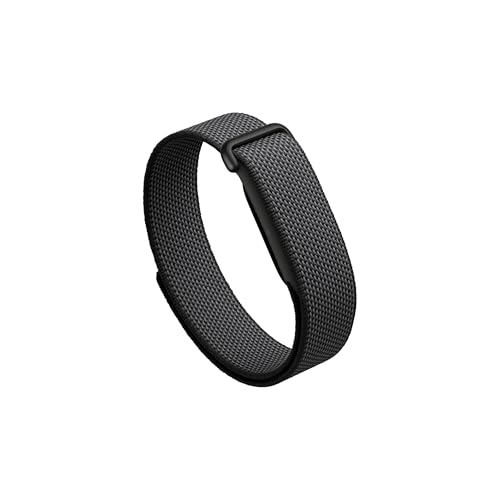
The Fitbit Google Air represents the most minimal approach to fitness tracking available today. It has no screen, which makes it the slimmest and most comfortable option for full-time wear, including sleep.
The tracker uses advanced sensors and updated algorithms to deliver more accurate health data than previous screenless designs. It connects to Google Health, which now includes Gemini-powered personalized coaching with a premium membership. Battery life reaches up to one week, and fast charging delivers a full day of battery in just five minutes.
Best for: People who want a discreet, all-day and all-night tracker with smart coaching features and do not need a wrist display.
2. Fitbit Inspire 3
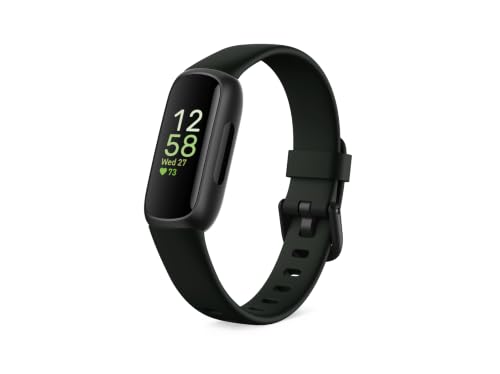
The Fitbit Inspire 3 is one of the most popular slim trackers available and consistently ranks at the top of its category. It features a slim color display, 40+ exercise modes, automatic workout detection, and a full suite of wellness tools including stress management scores, SpO2 monitoring, and menstrual health tracking.
It is compatible with both iOS and Android, and the Daily Readiness Score helps users understand when their body is primed for intense exercise versus recovery. Battery life reaches up to 10 days on a single charge.
Best for: Users who want a proven, well-rounded slim tracker with a visible display, long battery life, and comprehensive health features.
If you are using your tracker to guide gym programming, exploring the 9 best small fitness trackers can help you compare additional options across categories.
3. Bakoor Fitness Tracker
The Bakoor Fitness Tracker offers a 1.10-inch AMOLED color display in a slim, affordable package. It covers 25 sports modes, 24/7 heart rate and blood pressure monitoring, sleep tracking, and connected GPS for route mapping.
Additional features include weather updates, hydration reminders, sedentary alerts, remote camera control, and female health tracking. The IP68 water resistance rating makes it suitable for swimming and daily wear in wet conditions.
Best for: Budget-conscious buyers who want a feature-rich slim tracker with a vibrant display and broad health monitoring without a premium price tag.
Slim Tracker Comparison Table
| Feature | Fitbit Air | Fitbit Inspire 3 | Bakoor Tracker |
|---|---|---|---|
| Display | None (screenless) | Color touchscreen | 1.10″ AMOLED |
| Battery Life | Up to 7 days | Up to 10 days | Not specified |
| Heart Rate | Yes | Yes | Yes |
| Sleep Tracking | Yes | Yes | Yes |
| Water Resistance | Yes | Yes | IP68 |
| GPS | No | Connected GPS | Connected GPS |
| Price Range | Premium | Mid-range | Budget |
Who Should Use a Slim Fitness Tracker?
Slim trackers are a strong choice for:
- Office workers who want all-day wear without a bulky device
- Light to moderate exercisers tracking steps, heart rate, and sleep
- People focused on recovery who want overnight sleep data
- Anyone new to fitness wearables who wants a low-commitment entry point
They are less ideal for serious athletes who need built-in GPS, detailed performance metrics, or rugged durability for outdoor sports.
For those building a home fitness routine alongside their tracking goals, quick workouts at home offer a practical complement to the data these devices collect. You might also find value in pairing your tracker with resistance band exercises or kettlebell routines for efficient home training sessions.
Conclusion
The best slim fitness trackers offer a meaningful upgrade over doing nothing, without the complexity or bulk of a full smartwatch. The Fitbit Inspire 3 remains the most well-rounded choice for most users, while the Fitbit Air suits those who want the most discreet design possible. The Bakoor Tracker. Comfort, battery life, and the features you genuinely use should guide your decision more than spec sheets alone.
FAQs
What is the slimmest fitness tracker available?
The Fitbit Google Air is currently the slimmest option because it has no screen, giving it an ultra-low profile that sits flat against the wrist. It is designed specifically for all-day and overnight wear without distraction.
Do slim fitness trackers accurately track heart rate?
Most modern slim trackers use optical heart rate sensors that provide reliable resting heart rate data and general workout intensity readings. Accuracy during high-intensity exercise can vary, but for everyday health monitoring, current sensors perform well.
Can you wear a slim fitness tracker while sleeping?
Yes, slim fitness trackers are specifically designed for overnight wear. Their lightweight build and comfortable bands make them far less intrusive than smartwatches during sleep, which is important for collecting accurate sleep stage data.
Are budget slim fitness trackers worth buying?
Budget trackers like the Bakoor Fitness Tracker offer solid core features including heart rate monitoring, sleep tracking, and sports modes at a lower price point. They are a good starting point for anyone new to fitness tracking who does not need advanced coaching or ecosystem integration.
How long do slim fitness tracker batteries typically last?
Most slim fitness trackers last between 5 and 10 days on a single charge depending on usage and features enabled. Screenless designs and those with fewer active sensors tend to reach the higher end of that range.
This article was last updated on September 22, 2026 .