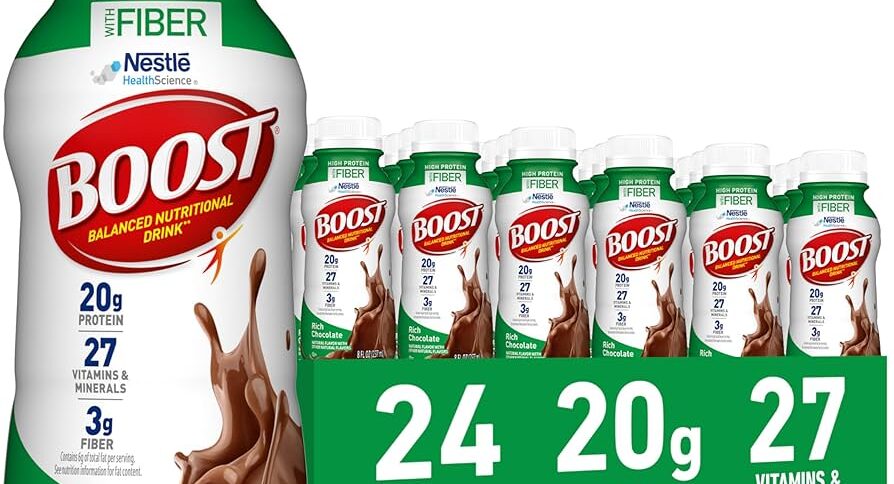
If you’re exploring high-protein nutritional shakes for recovery, muscle support, or general health, Boost High Protein shakes are likely on your radar. They’re widely available, convenient, and marketed toward people who need a quick, reliable source of protein and calories. But what’s actually in them, and are they the right fit for your goals? This guide breaks down everything you need to know, from the macronutrient profile to who benefits most from drinking them.
For those building out a broader nutrition and fitness strategy, you might also want to explore the best low-calorie protein powders of 2026 as an alternative or complementary option.
Key Takeaways
- Boost High Protein shakes provide around 20 grams of protein per serving, making them a solid on-the-go option for hitting daily protein targets
- They contain a complete blend of vitamins and minerals, which sets them apart from standard protein powders
- The shakes are designed for who need convenient, ready-to-drink nutrition, including older adults and those recovering from illness
- They contain added sugars, which may not suit everyone, particularly those managing blood sugar levels
- Boost High Protein is not a meal replacement in the traditional fitness sense, but can function as a high-protein snack or supplement to whole food meals
- The flavor variety and shelf stability make them practical for travel, busy schedules, or post-workout use
- Comparing the nutritional label to your specific goals is the best way to determine if they fit your plan
What Is Boost High Protein?
Boost High Protein is a ready-to-drink nutritional shake produced by Nestle Health Science. It falls under the broader Boost product line, which includes several variants targeting different nutritional needs. The High Protein version is specifically formulated to deliver a concentrated dose of protein alongside essential micronutrients.
Unlike a traditional protein shake you mix at home, Boost High Protein comes pre-mixed in shelf-stable bottles, typically in 8 oz servings. This makes it incredibly convenient but also means the ingredient list includes stabilizers, emulsifiers, and added vitamins to maintain shelf life and nutritional value.
It’s worth noting that Boost High Protein is positioned as a nutritional supplement, not a sports performance product. It’s commonly found in pharmacies and grocery stores rather than supplement retailers, which speaks to its intended audience
Boost High Protein Nutritional Profile
Understanding what’s actually in the shake is the most important step before adding it to your routine. Here’s a breakdown of the standard nutritional content per 8 oz (237 ml) serving:
| Nutrient | Amount Per Serving |
|---|---|
| Calories | 240 |
| Total Fat | 6g |
| Saturated Fat | 1g |
| Total Carbohydrates | 27g |
| Sugars | 14g |
| Dietary Fiber | 0g |
| Protein | 20g |
| Sodium | 230mg |
| Calcium | 30% DV |
| Vitamin D | 25% DV |
| Iron | 25% DV |
The protein source is primarily milk protein concentrate, which provides a complete amino acid profile. This is a meaningful distinction because complete proteins contain all nine essential amino acids your body cannot produce on its own, which is important for muscle protein synthesis and recovery.
The carbohydrate content is moderate, and the 14 grams of sugar is worth paying attention to if you’re monitoring glycemic load. The shake does not contain dietary fiber, which means it won’t contribute to satiety the same way a whole food meal would.
Who Is Boost High Protein Designed For?
This shake was not originally designed for gym-goers chasing hypertrophy, though it can certainly fit into that lifestyle. The primary intended users include:
- Older adults who may struggle to meet daily protein needs through food alone
- People recovering from surgery or illness, where appetite is reduced but protein needs are elevated
- Individuals with swallowing difficulties who need liquid nutrition
- Busy professionals looking for a convenient protein source between meals
That said, athletes and fitness enthusiasts do use Boost High Protein as a quick post-workout option, especially when access to whole foods is limited. If you’re someone who trains regularly, pairing it with a whole food meal rather than using it as a standalone recovery shake will typically produce better results. For more on what to eat after training, check out the best post-workout meals for muscle gain.
How Boost High Protein Compares to Other Options
It helps to see how Boost High Protein stacks up against similar ready-to-drink and powder-based protein
| Product Type | Protein per Serving | Calories | Sugar | Added Vitamins/Minerals |
|---|---|---|---|---|
| Boost High Protein | 20g | 240 | 14g | Yes (26+ nutrients) |
| Fairlife Protein Shake | 30g | 150 | 2g | Partial |
| Standard Whey Powder (mixed) | 25g | 130 | 2-5g | Minimal |
| Mass Gainer Shake | 50g+ | 600-1200 | 20-50g | Varies |
Boost High Protein sits in a middle ground. It offers more micronutrient coverage than most protein powders, but it also carries more sugar and calories thananer ready-to-drink options like Fairlife protein shakes. The right choice depends entirely on your calorie targets, sugar tolerance, and whether micronutrient coverage matters Role of Vitamins and Minerals
One of the distinguishing features of Boost High Protein is its extensive micronutrient profile. Each serving contains 26 vitamins and minerals, including meaningful amounts of:
- Calcium Vitamin D for bone health
- B vitamins (B6, B12, riboflavin) for energy metabolism
- Iron for oxygen transport and energy
- Zinc for immune function and recovery
- Magnesium for muscle function
For someone eating a well-balanced diet, these additions may feel redundant. But for older adults, people with restrictive diets, or those in recovery from illness, this built-in micronutrient coverage can be genuinely useful. It reduces the need for multiple separate supplements.
Practical Ways to Use Boost High Protein
Even if you’re an active person with solid nutrition habits, there are practical scenarios where Boost High Protein makes sense:
- Post-workout when whole foods aren’t accessible – After a gym session with no meal prep ready, Boost shake bridges the gap without requiring refrigeration or prep
- Travel nutrition – Shelf-stable and’s easy to pack for flights, road trips, or work travel
- **Between-meal protein-up your lunch is protein-light, adding a Boost shake brings your midday total closer to your target
- Appetite support during illness – When solidnappealing, liquid protein keeps intake from falling off completely
If you’re working out at home and building your nutrition strategy around your training setup, understanding how to fuel workouts effectively is just as important as the training itself. Resources like quick workouts at home can help you pair your nutrition with an efficient exercise routine.
Potentialbacks to Consider
No product is perfect for everyone. Here are some honest limitations of Boost High Protein:
- Sugar content – 14 grams of sugar per serving may be a concern for people with diabetes or those following low-carb diets
- No fiber – The absence of dietary fiber means it won’t support digestive health or satiety as effectively as whole food options
- Artificial ingredients – Like most shelf-stable shakes, it contains emulsifiers and artificial flavors that some people prefer to avoid
- Cost per gram of protein – When compared to protein powders, the cost per gram of protein is typically higher with ready-to-drink formats
- Not designed for muscle gain in isolation – 20 grams of protein per serving is useful, but serious athletes often need significantly more throughout the day
If managing blood sugar is a priority, you may want to explore stevia-sweetened energy drinks vs regular energy drinks as a reference point for understanding how sweetener choices affect metabolic response.
Tips for Maximizing Results
If you decide to incorporate Boost High Protein into your routine, here are a few practical ways to get the most out of it:
- Pair it with fiber-rich foods – Since the shake lacks fiber, combining it with fruit, vegetables, or whole grains improves satiety and digestive balance
- Track your total daily protein – Use the shake as one piece of your protein puzzle, not the whole strategy
- Time it around activity – Consuming a reasonable window around your workouts supports muscle recovery and synthesis
- Stay hydrated – Protein metabolism requires adequate water intake, so don’t let shakes replace your water consumption
- Read the label of each flavor – Nutritional content can vary slightly between flavors, so always check the specific product you’re buying
For those interested in how various supplement ingredients work together, the most popular fitness supplement ingredients offers a useful breakdown of what’s commonly included in performance nutrition products and why.
Conclusion
Boostakes occupy a specific and space in the nutrition landscape. They’re not designed to be centerpiece of an elite athlete’s supplement stack, but they’re a reliable, convenient, and nutritionally complete option for people who need quick protein with added micronutrient support. The 20 grams of protein per serving, paired with 26 vitamins and minerals, makes them particularly well-suited for older adults, people in recovery, or anyone navigating a busy schedule that makes whole food meals difficult.
If your goals are primarily athletic, you’ll likely want to supplement Boost High Protein with higher-protein, lower-sugar options throughout the day. But as a convenient, shelf-stable protein source that does more than just deliver macros, it earns its place in a thoughtful nutrition plan.
Frequently Asked Questions
Is Boost High Protein good for building muscle?
It can support muscle building as part of a broader high-protein diet, but 20 grams per serving alone is unlikely to be sufficient. Most active individuals need 1.6 to 2.2 grams of protein per kilogram of body weight daily, so Boost High Protein works best as one of several protein sources throughout the day.
Can diabetics drink Boost High Protein?
People with diabetes should consult their healthcare provider before using it regularly. Each serving contains 14 grams of sugar, which can affect blood glucose levels and may not be appropriate for everyone managing diabetes.
Is Boost High Protein a meal replacement?
It is not a complete meal replacement in the traditional sense. It lacks sufficient fiber, healthy fats, and calories to replace a full meal for most adults. It functions better as a high-protein snack or supplement between meals.
How does Boost High Protein compare to Ensure High Protein?
Both products are nutritional shakes targeting similar audiences, and their macronutrient profiles are broadly comparable. The specific vitamin and mineral blends differ slightly, as do flavor options and sugar content. both labels side by side is the best approach for making a direct comparison.
Does Boost High Protein need to be refrigerated?
Unopened Boost High Protein shakes are shelf-stable and do not require refrigeration. Once opened, they should be refrigerated and consumed within 48 hours for best quality and safety.
This article was last updated on May 5, 2026 .