
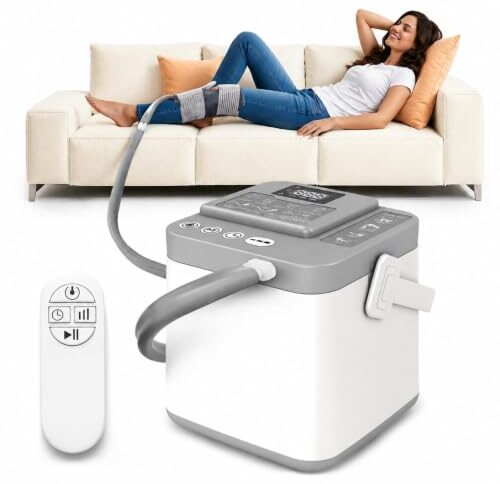
After knee replacement surgery, managing swelling and pain is one of the most important parts of recovery. An ice machine for knee replacement, also called a cold therapy unit or cryotherapy machine, delivers continuous cold water through a pad wrapped around the joint to reduce inflammation and discomfort. Unlike a basic ice pack, these devices maintain consistent temperatures for hours at a time.
Cold therapy is widely recommended by orthopedic surgeons and physical therapists during the post-surgical recovery window. Understanding how these machines work, when to use them, and what features actually matter can help patients recover more comfortably and effectively.
Quick Answer
An ice machine for knee replacement is a motorized cold therapy device that circulates chilled water through a flexible pad placed around the knee. It reduces post-surgical swelling, numbs pain, and supports faster recovery. Most units run continuously for several hours and are considered a standard part of at-home orthopedic recovery.
Key Takeaways
- Cold therapy machines are more effective than ice packs for post-surgical recovery because they maintain consistent temperatures longer
- Most units feature an insulated reservoir, a pump, and a flexible wrap-around pad
- Typical recommended use is 15 to 30 minutes per session, several times per day
- Noise level, reservoir size, and wrap design are the most important features to compare
- These devices can also be used on the shoulder, hip, and ankle, not just the knee
- Wireless remote controls are especially useful for patients with limited post-surgical mobility
How Does an Ice Machine for Knee Replacement Work?
A cold therapy machine works by filling a reservoir with ice and water, then using a pump to circulate that cold water through a connected pad. The pad wraps around the knee and delivers consistent cold contact across the joint surface.
The key advantage over traditional ice packs is sustained temperature delivery. A bag of ice warms up within 20 to 30 minutes. A quality cold therapy unit with an insulated reservoir can maintain effective temperatures for up to 24 hours, reducing the need for constant refills and interruptions.
When Should You Use Cold Therapy After Knee Replacement?
Cold therapy is most effective during the acute inflammation phase, which typically spans the first two to four weeks after surgery. Most orthopedic protocols recommend using cold therapy:
- Immediately after physical therapy sessions
- Before bed to reduce overnight swelling
- After periods of elevated activity or walking
- During rest periods throughout the day
Always follow your surgeon’s specific instructions. Most protocols suggest 20 to 30 minute sessions with breaks in between to avoid skin irritation or frostbite.
What Features Should You Look for in a Knee Ice Machine?
Not all cold therapy units are built the same. Here are the features that matter most for post-surgical recovery:
Reservoir Insulation
A triple-layer insulated reservoir significantly reduces how often you need to refill ice. For overnight recovery or extended rest sessions, this is one of the most practical features available.
Pump Noise Level
Standard pump motors can be disruptive, especially during sleep. Units powered by a brushless DC motor typically operate below 15 dB, which is quieter than a whisper. This makes them suitable for nighttime use without disturbing sleep.
Timer and Flow Controls
Customizable timer settings and adjustable water flow allow users to personalize each session. Look for units offering multiple time intervals, such as options ranging from 10 minutes up to a continuous cycle, and at least two or three flow speed settings.
Remote Control
For patients recovering from knee surgery, getting up to adjust a machine is both difficult and counterproductive. A wireless remote control allows full adjustments from a resting position without requiring line-of-sight pointing at the unit.
Pad Design and Coverage
An ergonomic, flexible wrap pad that conforms closely to the knee provides better cold contact than a rigid or flat pad. Full-coverage wraps are also more versatile for use on the shoulder, ankle, or hip.
KETFLY Ice Machine for Knee After Surgery
[IMAGE: KETFLY Ice Machine for Knee After Surgery with Cryotherapy System]
The KETFLY Ice Machine for Knee After Surgery is a cold therapy unit designed specifically for post-surgical and maintains water temperature for up to 24 hours, a 2.4G wireless remote with 360-degree range, 13 timer settings, and 3 adjustable flow modes. The flexible wrap pad is designed to conform to the knee but can also be used on the shoulder, ankle, hip, or leg.
It is designed with elderly users and middle-aged individuals in mind, particularly those managing joint stiffness or recovering from orthopedic procedures. The unit includes a one-year warranty and dedicated customer support.
Cold Therapy vs. Ice Packs: Is a Machine Worth It?
| Feature | Ice Pack | Cold Therapy Machine |
|---|---|---|
| Temperature consistency | Low | High |
| Duration per session | 20-30 min | Up to 24 hours |
| Hands-free use | No | Yes |
| Adjustable flow | No | Yes |
| Suitable for overnight use | No | Yes |
| Cost | Low | Moderate |
For short-term or occasional use, an ice pack may be sufficient. For anyone recovering from knee replacement surgery or managing chronic joint inflammation, a cold therapy machine offers meaningfully better performance and convenience.
If you are also focused on active recovery and rebuilding strength, pairing cold therapy with a structured exercise routine is worth exploring. Check out quick workouts at home for low-impact options suitable for recovery phases.
Who Should Use a Knee Ice Machine?
Cold therapy machines are appropriate for:
- Post-surgical patients recovering from knee replacement, ACL repair, or meniscus surgery
- Elderly individuals managing chronic joint inflammation or arthritis
- Athletes dealing with acute knee injuries or post-training soreness
- Anyone with limited mobility who cannot easily apply and remove ice packs
They are not recommended for people with certain circulatory conditions, cold allergies, or impaired sensation in the affected area. Always consult your physician before starting any cold therapy protocol post-surgery.
For those rebuilding lower body strength after recovery, hip thrust alternatives and lying leg curl alternatives offer joint-friendly options worth reviewing. If you are building out a home recovery space, the guide on how to build a home gym on a budget is also a practical resource.
Supporting your recovery nutritionally is equally important. The best post-workout meals for muscle gain covers how to fuel tissue repair, and a Fairlife protein shake can be a convenient option during limited-mobility recovery phases.
Conclusion
An ice machine for knee replacement is a practical, well-supported tool for managing post-surgical pain and swelling. The key advantages over traditional ice packs include longer cooling duration, consistent temperature delivery, and hands-free operation that suits patients with limited mobility.
Choosing a unit with an insulated reservoir, quiet pump, flexible pad, and wireless remote control will cover the most important recovery needs. Combined with proper rest, physical therapy, and nutritional support, cold therapy is a reliable component of a complete orthopedic recovery plan.
FAQs
How long should you use an ice machine after knee replacement?
Most orthopedic protocols recommend using cold therapy for the first two to four weeks post-surgery. Sessions typically last 20 to 30 minutes, repeated several times per day, especially after physical therapy or activity.
Can you use a knee ice machine overnight?
Yes, units with insulated reservoirs and quiet brushless motors are designed for overnight use. Models that operate below 15 dB and maintain temperatures for up to 24 hours are specifically suited for extended nighttime sessions.
Is cold therapy better than heat after knee replacement?
Cold therapy is generally recommended over heat during the acute recovery phase because it reduces swelling and numbs pain. Heat can increase blood flow and inflammation, which is not ideal in the first several weeks after surgery.
How much ice do you need for a cold therapy machine?
Most units require filling the reservoir with ice and water before each session. A triple-layer insulated reservoir reduces refill frequency significantly, sometimes maintaining effective temperatures for up to 24 hours per fill.
Can a knee ice machine be used on other body parts?
Yes. Most cold therapy units with flexible wrap pads can be used on the shoulder, ankle, hip, and upper leg in addition to the knee, making them versatile for multiple recovery needs.
This article was last updated on September 21, 2026 .


