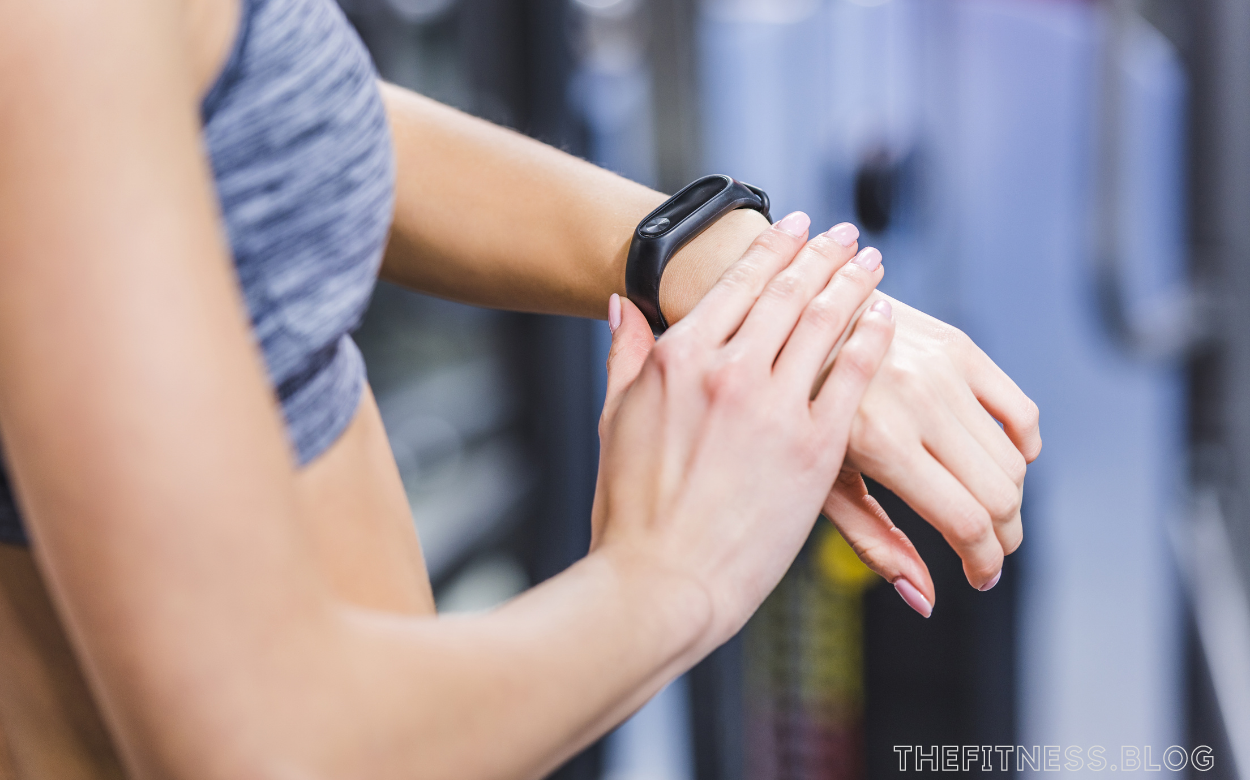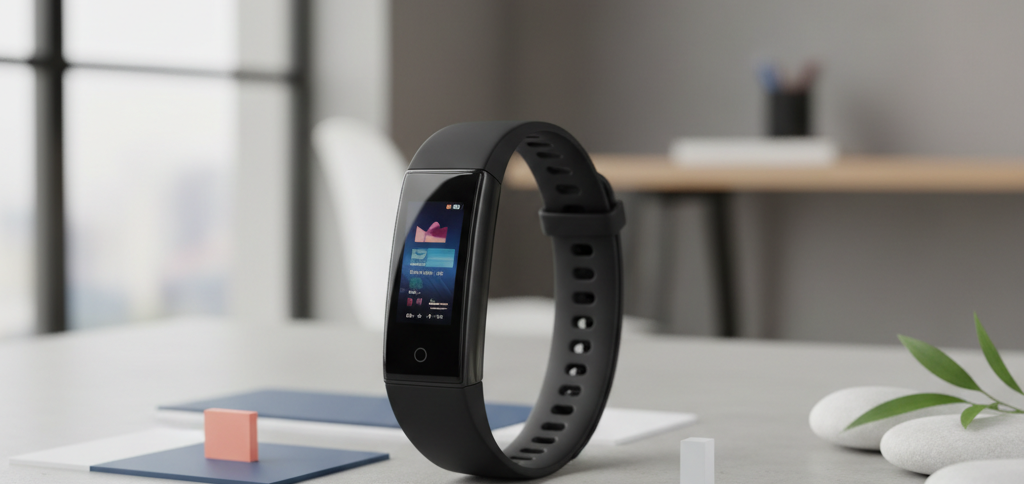
Slim fitness trackers have become one of the most practical wearable tools for people who want health insights without the bulk of a traditional smartwatch. They sit low on the wrist, blend into everyday outfits, and deliver meaningful data without getting in the way.
Whether you work a desk job, hit the gym regularly, or simply want to monitor your sleep and heart rate, a slim tracker offers a discreet way to stay informed about your health. This guide covers what to look for, who benefits most, and which options stand out.
Quick Answer: How Do You Choose a Slim Fitness Tracker?
Compare device thickness, case width, strap fit and whether you want a screen. A thin device can still be too wide or too loose for your wrist. This guide explains those choices; for measured dimensions, current models and purchase links, use our small fitness tracker comparison for small wrists.
Key Takeaways
- Slim trackers prioritize comfort and discretion without sacrificing core health monitoring features
- Battery life varies significantly — look for at least 5 days of use for practical everyday wear
- Heart rate and sleep tracking are the most commonly used features and should be evaluated carefully
- Screenless designs like the Fitbit Air offer the slimmest profile but require pairing with a smartphone for data
- Budget options can deliver solid tracking for basic fitness goals at a fraction of the cost of premium devices
- Water resistance is an important consideration if you swim, sweat heavily, or wear your tracker in the shower
What Makes a Fitness Tracker “Slim”?
A slim fitness tracker is generally defined by a low-profile band design that sits flush against the wrist without protruding significantly. Most slim trackers weigh under 30 grams and have a case thickness under 12mm.
The design goal is wearability. Unlike full smartwatches, slim trackers are built to disappear on your wrist so you forget they are there — while still collecting health data around the clock.
Screenless vs. Screen-Based Slim Trackers
Some slim trackers eliminate the screen entirely to achieve the smallest possible footprint. Others use compact AMOLED or LCD displays to show stats at a glance.
- Screenless trackers are lighter, sleeker, and often have better battery life
- Screen-based trackers offer more immediate access to data without reaching for your phone
- The right choice depends on whether you prefer quick wrist glances or prefer to review data in an app
What to Look for in a Slim Fitness Tracker
Health Monitoring Features
The core value of any fitness tracker is the accuracy and depth of its health data. Key features to evaluate include:
- 24/7 heart rate monitoring for resting heart rate trends and workout intensity
- Sleep tracking with light, deep, and REM stage breakdowns
- SpO2 monitoring for blood oxygen levels
- Stress tracking using heart rate variability data
- Menstrual health tracking for female users
Pairing your tracker with a solid nutrition strategy matters just as much as the data it collects. If you are tracking activity alongside muscle-building goals, reviewing the best post-workout meals for muscle gain can help you put that data to practical use.
Battery Life
Battery life is one of the most practical considerations for a daily wearable. A tracker that needs charging every day creates friction that leads most people to stop wearing it consistently.
Look for a minimum of 5 to 7 days of battery life for reliable continuous tracking. Fast charging is a useful bonus — some devices can restore a full day of battery in under 10 minutes.
Comfort and Fit
A slim tracker should feel like it is barely there. Look for adjustable bands, soft materials like silicone or elastomer, and a lightweight pebble or module design.
If you plan to wear your tracker during sleep, comfort becomes even more critical. Bulky or rigid designs can disrupt sleep quality, which defeats the purpose of overnight tracking.
Where to Compare Current Models
Our best small fitness trackers guide compares current Fitbit, Garmin and Xiaomi options by width, thickness, minimum wrist circumference and battery life. It separates screenless trackers, narrow screen-based bands and compact GPS options.
Use that comparison to build a shortlist, then apply the fit and comfort checks here. Check the exact model and included strap rather than assuming every device described as “slim” has the same fit.
Who Should Use a Slim Fitness Tracker?
Slim trackers are a strong choice for:
- Office workers who want all-day wear without a bulky device
- Light to moderate exercisers tracking steps, heart rate, and sleep
- People focused on recovery who want overnight sleep data
- Anyone new to fitness wearables who wants a low-commitment entry point
They are less ideal for serious athletes who need built-in GPS, detailed performance metrics, or rugged durability for outdoor sports.
For those building a home fitness routine alongside their tracking goals, quick workouts at home offer a practical complement to the data these devices collect. You might also find value in pairing your tracker with resistance band exercises or kettlebell routines for efficient home training sessions.
Choose for Fit and Everyday Use
A slim tracker should fit securely, sit comfortably under clothing and offer the features you will use. Decide whether you want a display, measure your wrist and check the app requirements before buying. Use our current small tracker comparison for model-specific measurements and purchase options.
Slim Fitness Tracker FAQs
Does slim mean the same thing as small?
No. Slim usually describes thickness, while small can also mean a narrow or short body. Strap circumference is another measurement. Compare all three rather than judging by a product photo.
Is a screenless tracker always smaller?
Removing a display can reduce bulk, but it does not establish a universal size advantage. Compare the exact dimensions and band fit of the models you are considering.
How do I check whether a tracker will fit my wrist?
Measure your wrist circumference, compare it with the included band’s stated range and check the device’s width. A band can close around your wrist while the case still overhangs or presses uncomfortably.
Can I wear a slim tracker while sleeping?
Check the model’s intended use and fit guidance. A comfortable strap and a charging routine that leaves the device available overnight matter more than the “slim” label alone.
Where can I compare current slim tracker models?
Use our small fitness trackers buying guide for published dimensions, wrist-fit ranges, feature trade-offs and current Amazon links.
This article was last updated on November 2, 2026 .