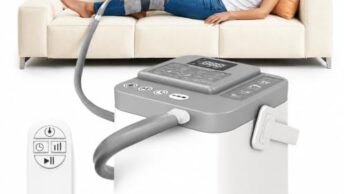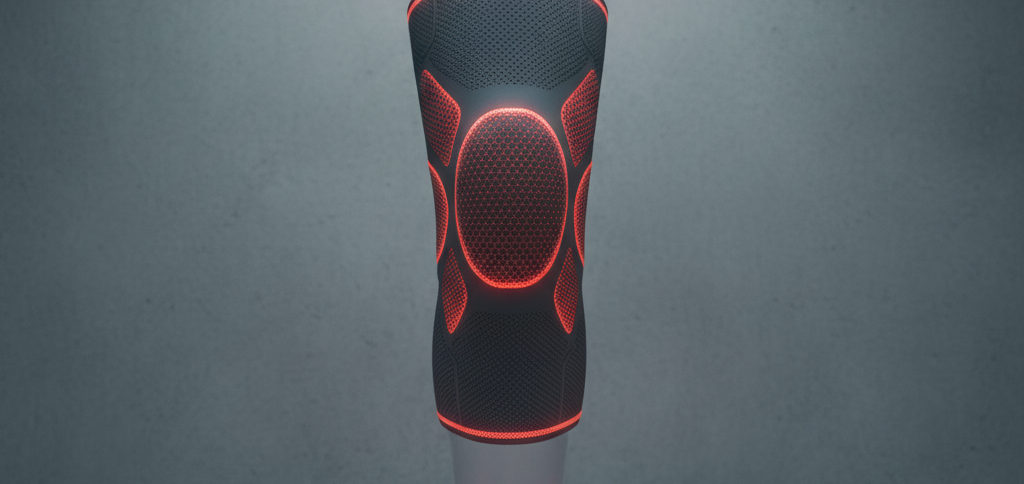
Knee compression machines have become one of the most searched-for recovery tools among athletes, seniors, and anyone managing chronic joint discomfort. These devices deliver targeted pressure, heat, and sometimes vibration directly to the knee, offering a convenient at-home alternative to clinical therapy sessions.
Whether you are dealing with arthritis, post-workout soreness, or recovering from an injury, understanding what knee compression machines actually do and which features matter most will help you make a smarter choice.
Quick Answer
A knee compression machine is a wearable device that applies controlled pressure to the knee joint, often combined with heat and vibration therapy. Compression reduces swelling and supports tissue recovery, while heat improves circulation and loosens stiff surrounding muscles. Together, they provide a non-invasive, drug-free approach to managing knee discomfort at home.
Key Takeaways
- Knee compression machines combine compression, heat, and sometimes vibration or red light therapy in one wearable device
- Compression reduces fluid buildup and swelling while providing structural support to the joint
- Heat therapy improves blood flow and relaxes the muscles surrounding the knee
- The best knee compression machines are cordless and rechargeable for flexible daily use
- These devices benefit arthritis sufferers, runners, seniors, office workers, and post-surgical recovery patients
- Cold therapy compatibility adds versatility for acute inflammation management
How Do Knee Compression Machines Work?
Compression therapy applies rhythmic or sustained pressure to the knee using inflatable airbags or adjustable wraps. This pressure helps reduce fluid accumulation, minimizes post-activity swelling, and provides a sense of joint stability that many users find immediately comforting.
Heat therapy works by dilating blood vessels near the surface of the skin, increasing circulation to the knee area. This delivers more oxygen and nutrients to stressed tissue while relaxing tight muscles and connective structures around the joint.
When combined in a single device, these two therapies complement each other well. Warmth softens the surrounding tissue, making it more receptive to compression, while the pressure itself helps move excess fluid away from inflamed areas more efficiently.
What Is Air Compression in a Knee Machine?
Air compression uses built-in inflatable airbags that automatically cycle through inflate-and-deflate patterns. This mimics the rhythmic squeezing of a hands-on massage and helps stimulate lymphatic drainage, which plays a key role in reducing post-exercise swelling and stiffness.
Who Should Use a Knee Compression Machine?
These devices serve a broad range of users, not just those recovering from acute injuries:
- Arthritis sufferers managing chronic inflammation and morning stiffness
- Runners and athletes dealing with repetitive strain or post-training soreness
- Seniors who want a gentle, non-invasive daily joint wellness routine
- Office workers experiencing stiffness from prolonged sitting
- Post-surgical patients during rehabilitation (always with physician approval)
Supporting your recovery from the inside out matters too. The Best Post-Workout Meals for Muscle Gain explains how the right nutrition choices directly affect how your body repairs tissue after physical stress, making it a useful complement to any compression therapy routine.
What Features Matter Most in a Knee Compression Machine?
Not every device delivers the same quality of therapy. Here is what distinguishes a high-performing knee compression machine from a basic wrap:
| Feature | Why It Matters |
|---|---|
| Multiple heat settings | Lets you adjust warmth intensity to your comfort level |
| Airbag compression zones | More zones provide fuller, more even coverage |
| Vibration modes | Adds surface-level muscle relaxation to the session |
| Cordless rechargeable design | Enables unrestricted use anywhere |
| Red light therapy | Supports deeper tissue comfort through photobiomodulation |
| Adjustable straps | Ensures a secure, customized fit for different knee sizes |
| Cold pack compatibility | Adds flexibility for acute inflammation and post-exercise cooling |
Heat vs. Cold: Which Is Better for Knee Pain?
The general guideline is straightforward. Use cold therapy for acute injuries, fresh swelling, or immediately after intense exercise to limit inflammation. Use heat therapy for chronic stiffness, muscle tightness, and soreness that has developed over time. Some knee compression machines support both, which makes them more versatile for different situations and stages of recovery.
The 3 Best Knee Compression Machines
1. SereneLife 3-in-1 Air Compression Knee Massager
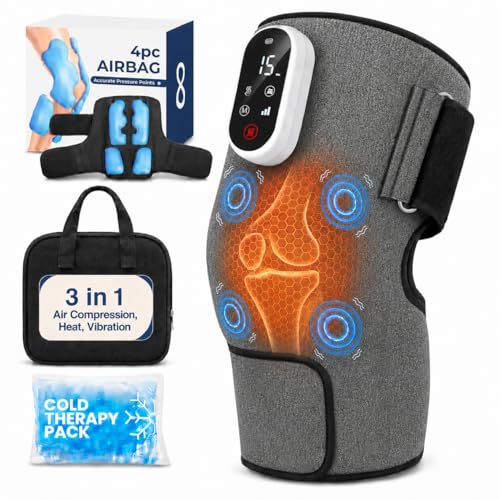
The SereneLife 3-in-1 Air Compression Knee Massager is a well-rounded knee compression machine that combines air compression, heat therapy, and vibration in a single cordless wrap. Four airbag zones deliver broad, even coverage across the knee area, while two heat settings and four vibration modes give you meaningful control over your session through a smart LED controller.
The rechargeable battery supports up to 160 minutes of use, which works out to approximately eight automatic 20-minute cycles. The kit also includes a cold pack for cooling therapy and a carry bag for portability. The adjustable wrap accommodates thigh circumferences up to 28 inches.
Best for: Anyone who wants a versatile, all-in-one knee compression machine for consistent daily home use without being tethered to an outlet.
2. Vive Compression Knee Ice Wrap with Air Pump
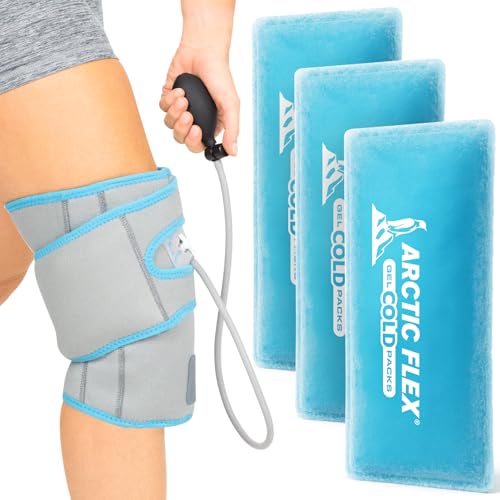
The Vive Compression Knee Ice Wrap offers a more manual approach to knee compression therapy. Rather than automated airbags, it uses a hand pump to inflate an internal air bladder, letting you set your preferred compression level with precision. Three Arctic Flex gel packs fit into pockets around the front and back of the knee and can be used either frozen for cold therapy or warmed for heat therapy.
The wrap is latex-free, designed for use on either knee, and secures with four adjustable straps to fit circumferences up to 21 inches. It is a reliable choice for people who want hands-on control rather than a preset automatic cycle.
Best for: Post-injury recovery, post-surgical rehabilitation, or anyone who wants precise, manually controlled compression paired with hot or cold therapy options.
3. NGCES Knee Massager with Red Light Therapy
The NGCES Knee Massager differentiates itself by incorporating 240 LED red light therapy alongside heat and vibration. It uses both 660nm red light and 850nm near-infrared light, two wavelengths commonly used in photobiomodulation therapy for tissue comfort and cellular support.
A high-capacity 5,000mAh rechargeable battery powers extended cordless sessions, and the device is versatile enough to use on the elbow and shoulder as well. Heat levels, light brightness, and vibration intensity are all independently adjustable, giving users a highly personalized experience.
Best for: Seniors, wellness-focused users, and athletes who want the added dimension of red light therapy layered on top of heat and vibration compression.
Common Misconceptions About Knee Compression Machines
They are not a replacement for medical care. Knee compression machines are supportive wellness tools. They should not substitute for professional evaluation when dealing with serious structural damage, ligament injuries, or pain that does not respond to conservative care.
Higher pressure does not mean better results. Excessive compression can restrict circulation and cause discomfort. Always begin at a lower setting and increase gradually based on your comfort and response.
Heat is not always the right choice. Applying heat to a freshly injured or acutely inflamed knee can worsen swelling. In those situations, cold therapy is the appropriate first response.
If you are building out a home recovery and training setup more broadly, How to Build a Home Gym on a Budget is a practical starting point. Pairing quality recovery tools with the right equipment, like options from The 10 Best Adjustable Dumbbells for Home Gym, creates a more complete environment for both training and recovery.
For lower body training modifications when the knee needs rest, The 5 Best Hip Thrust Alternatives and The 9 Best Lying Leg Curl Alternatives offer useful options that reduce knee stress while keeping your training productive.
Conclusion
Knee compression machines offer a practical, evidence-informed approach to managing joint discomfort, reducing swelling, and supporting recovery at home. The right device depends on your specific needs, whether that means automated airbag compression, manual control, or advanced features like red light therapy.
Used consistently and appropriately, a quality knee compression machine can be a meaningful part of a long-term joint health and recovery routine.
FAQs
What is a knee compression machine used for?
A knee compression machine applies controlled pressure, heat, or cold to the knee joint to reduce swelling, relieve stiffness, and support recovery from injury, arthritis, or post-exercise soreness.
How long should you use a knee compression machine per session?
Most devices are designed for 15 to 20-minute sessions. Exceeding the recommended duration can cause skin irritation or temporarily reduce circulation around the joint.
Can you use a knee compression machine every day?
Daily use is generally safe for most people. If you notice increased pain, numbness, or skin sensitivity, reduce frequency and consult a healthcare provider before continuing.
Is heat or cold better for arthritic knees?
Heat is typically preferred for arthritis because it relaxes stiff muscles and improves circulation around the joint. Cold is better suited for acute flare-ups that involve significant visible swelling.
Can a knee compression machine help after surgery?
Some devices are incorporated into rehabilitation protocols, but you should always get explicit clearance from your surgeon or physical therapist before applying compression or heat to a post-surgical knee.
This article was last updated on September 22, 2026 .