Fairlife protein shakes have become one of the most popular ready-to-drink options on the market, and for good reason. But before adding any supplement to your routine, it helps to understand exactly what you’re consuming.
This guide breaks down the key fairlife protein shake ingredients, explains what each one does, and helps you decide whether this product fits your nutritional goals.
Quick Answer
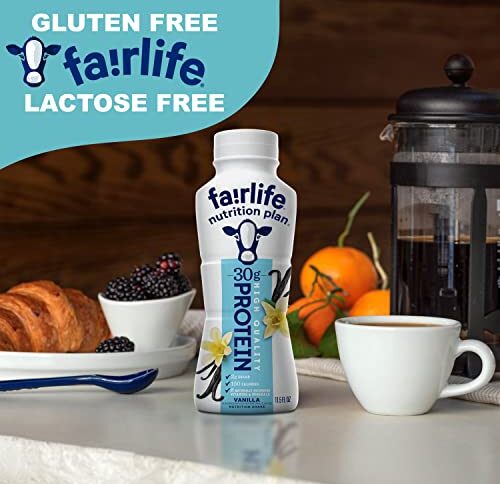
Fairlife protein shakes are made with ultra-filtered milk protein concentrate, water, cocoa or natural flavors, vitamins, and minerals. They contain 30 grams of protein per 11.5 oz bottle, minimal sugar (around 2–3 grams), zero lactose, and no artificial growth hormones. The protein comes entirely from dairy, making it a complete protein source.
Key Takeaways
- The primary protein source is ultra-filtered milk, which concentrates protein while removing most sugars and lactose
- Each shake delivers 30g of complete protein with all 9 essential amino acids
- Sugar content is very low (2–3g per bottle) compared to most ready-to-drink shakes
- Fairlife shakes are lactose-free due to the ultra-filtration process
- They contain added vitamins and minerals, including calcium, vitamin D, and potassium
- Artificial sweeteners like sucralose and acesulfame potassium are used to maintain sweetness without added sugar
What Is Ultra-Filtered Milk and Why Does It Matter?
Ultra-filtered milk is the foundation of fairlife protein shakes. The filtration process separates milk into its core components, concentrating the protein and calcium while reducing the natural sugar (lactose) content significantly.
This is why fairlife shakes can deliver 30 grams of protein with only 2–3 grams of sugar. Traditional milk protein has a similar amino acid profile, but ultra-filtration makes it far more efficient as a protein delivery system.
The result is a lactose-free product that still carries the nutritional benefits of dairy, including a complete amino acid profile and natural calcium content.
Full Ingredient Breakdown
Protein Sources
The protein in fairlife shakes comes from milk protein concentrate, which contains both casein and whey. This combination provides:
- Fast-digesting whey for immediate muscle protein synthesis
- Slow-digesting casein for sustained amino acid release
- All 9 essential amino acids, making it a complete protein
This dual-protein structure makes fairlife shakes useful both post-workout and as a between-meal protein source. For more on how protein shakes support recovery, see our Fairlife Protein Shake: A Complete Nutritional Guide.
Sweeteners and Flavoring
Fairlife shakes use sucralose and acesulfame potassium as artificial sweeteners. These are zero-calorie sweeteners approved by the FDA that allow the product to taste sweet without raising sugar content.
Natural and artificial flavors are also listed, which vary by flavor variant (chocolate, vanilla, strawberry, salted caramel). These contribute to taste without adding meaningful calories or macronutrients.
Some consumers prefer to avoid artificial sweeteners, which is worth noting if that is a personal dietary preference.
Vitamins and Minerals
Each shake is fortified with several micronutrients:
- Calcium – supports bone health and muscle function
- Vitamin D – aids calcium absorption and immune function
- Potassium – important for hydration and muscle contractions
- Phosphorus – plays a role in energy metabolism and bone structure
- Vitamin A – supports immune function and vision
These additions make fairlife shakes more nutritionally complete than many protein supplements that focus solely on macronutrients.
Other Ingredients
- Cellulose gel and cellulose gum – used as thickeners to improve texture
- Carrageenan – a seaweed-derived stabilizer that keeps the shake emulsified
- Salt – a small amount used for flavor balance
Carrageenan is worth noting as it occasionally raises questions. It is FDA-approved for use in food and is commonly found in dairy and non-dairy beverages. Current evidence supports its safety at typical dietary levels.
Fairlife Nutrition Plan vs. Core Power: Ingredient Comparison
Both product lines come from fairlife but serve slightly different purposes.
| Feature | Fairlife Nutrition Plan (30g) | Core Power Elite (42g) |
|---|---|---|
| Protein per serving | 30g | 42g |
| Sugar | 2–3g | 4–5g |
| Calories | ~150 | ~230 |
| Lactose-free | Yes | Yes |
| Artificial sweeteners | Yes | Yes |
| Primary use | Daily protein intake | Post-workout recovery |
The Core Power Elite High Protein Shake is better suited for athletes with higher protein demands, while the standard Fairlife Nutrition Plan Shake fits well into everyday nutrition routines.
Are the Ingredients in Fairlife Shakes Clean?
This depends on your definition of “clean eating.” Fairlife shakes:
- Contain no artificial colors
- Are free from gluten
- Use no added growth hormones in sourced milk
- Do contain artificial sweeteners, which some people prefer to avoid
- Contain carrageenan, which some clean-eating guidelines flag
For most people focused on performance and general health, the ingredient list is straightforward and well-tolerated. If you follow a strict whole-food or no-artificial-additive approach, the sweeteners may be a consideration.
Who Should Pay Attention to These Ingredients?
People with lactose intolerance can generally consume fairlife shakes without issue due to the ultra-filtration process removing lactose.
Those monitoring sugar intake, including people managing blood sugar levels, will find the low sugar content beneficial. However, the artificial sweeteners still trigger a sweet taste response, which may matter for some individuals.
People with milk allergies should avoid fairlife shakes entirely. Lactose-free does not mean dairy-free. The product still contains milk proteins.
If you are building a broader nutrition strategy around high-protein foods, the Best Post-Workout Meals for Muscle Gain is worth reading alongside this guide.
For those comparing ready-to-drink protein options more broadly, the Boost High Protein Shake: A Complete Nutritional Guide and Muscle Milk Pro Series: A Complete Nutritional Guide offer useful comparisons.
If you are also evaluating pre-workout products, Best and Cheapest Pre-Workout Supplements: What to Look For and What to Avoid provides a clear breakdown of what to prioritize.
Conclusion
Fairlife protein shake ingredients are straightforward: ultra-filtered milk protein, added vitamins and minerals, artificial sweeteners, and stabilizers. The formula is built around delivering high protein with minimal sugar, making it a practical choice for people who want a convenient, complete protein source.
Understanding what is in your protein shake helps you make informed decisions about whether it fits your goals, dietary preferences, and any specific health considerations.
FAQs
Does fairlife protein shake contain whey?
Yes. Fairlife shakes use milk protein concentrate, which contains both whey and casein. They are not a pure whey isolate product, but they do include whey as part of the naturally occurring milk protein blend.
Is fairlife protein shake dairy-free?
No. Fairlife shakes are lactose-free but are made from dairy milk. People with milk allergies or those following a vegan diet should avoid them.
What sweetener is used in fairlife protein shakes?
Fairlife uses sucralose and acesulfame potassium as sweeteners. Both are zero-calorie artificial sweeteners that are FDA-approved and widely used in protein supplements.
How much sugar is in a fairlife protein shake?
Most fairlife Nutrition Plan shakes contain 2 to 3 grams of sugar per bottle. This low amount is a result of the ultra-filtration process, which removes most of the natural lactose from the milk.
Are fairlife protein shakes good for weight loss?
They can support weight management due to their high protein content and low sugar levels. With around 150 calories and 30 grams of protein per serving, they help promote satiety without a high calorie load.
This article was last updated on September 29, 2026 .