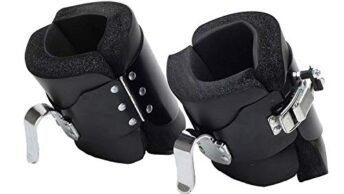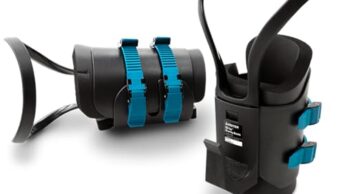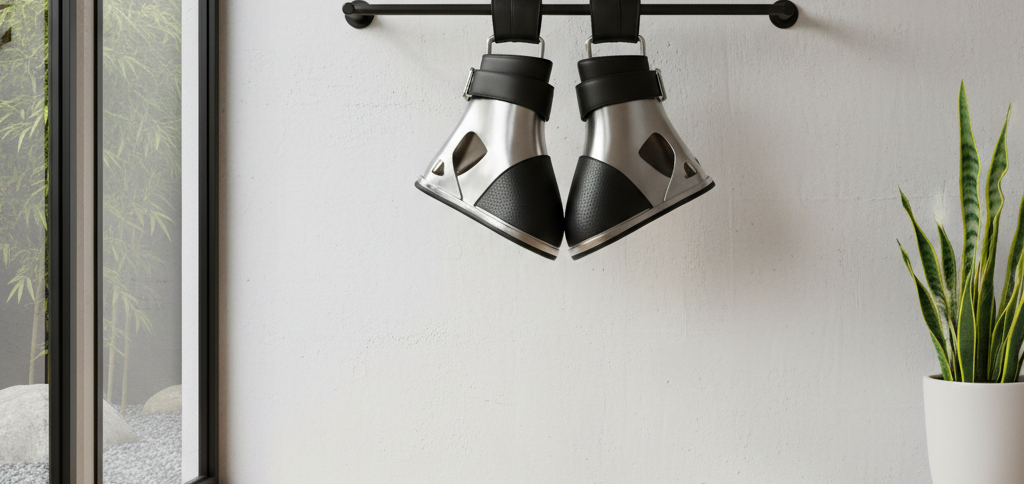
Gravity boots have been around since the 1970s, yet they continue to attract attention from fitness enthusiasts, rehab patients, and anyone looking to decompress their spine without expensive equipment. They strap onto your ankles and allow you to hang upside down from a pull-up bar or inversion rack, using your own body weight as traction.
Despite their retro reputation, gravity boots remain a practical and relatively affordable tool for inversion therapy. Understanding whether they are safe, and which for healthy adults when used correctly and with proper equipment. They allow full inversion, which may help relieve spinal compression, improve circulation, and support core training. People with high blood pressure, glaucoma, or joint issues should consult a doctor before use. Quality and fit matter significantly for safety.
Key Takeaways
- Gravity boots allow full inversion therapy by hooking onto a pull-up bar or dedicated rack
- They are considered safe for most healthy adults when used with proper form and quality equipment
- People with certain medical conditions should get medical clearance before using them
- The best brands prioritize ankle padding, secure locking mechanisms, and durable steel construction
- They offer benefits beyond spinal decompression, including core exercises and improved flexibility
- Starting slowly with short sessions is essential for beginners
What Are Gravity Boots Used For?
Gravity boots are primarily used for inversion therapy, which involves hanging upside down to decompress the spine and relieve pressure on intervertebral discs. Many users report reduced lower back pain and improved posture after regular sessions.
Beyond passive hanging, gravity boots also enable inverted core exercises such as inverted sit-ups, inverted crunches, and leg raises. These movements challenge the abdominal muscles in a unique way that standard floor exercises cannot replicate.
For a deeper look at the benefits, risks, and how inversion therapy actually works, the guide on Gravity Boots: Benefits, Risks, and Whether They Actually Work covers the topic in full detail.
Are Gravity Boots Safe?
For Healthy Adults
For most healthy adults, gravity boots are safe when used correctly. The key risks come from poor equipment quality, incorrect fit, or ignoring medical contraindications. A secure locking mechanism and well-padded ankle cuffs are non-negotiable for safe use.
Short inversion sessions of 1 to 3 minutes are recommended for beginners, gradually increasing as the body adapts. Rushing into long sessions can cause dizziness, increased eye pressure, or discomfort in the ankles.
Who Should Avoid Them
Gravity boots are not recommended for people with:
- High blood pressure or heart disease
- Glaucoma or retinal detachment
- Bone disorders or osteoporosis
- Recent joint injuries or surgeries
- Pregnancy
Always consult a physician if you have any existing health conditions before starting inversion therapy.
Common Safety Tips
- Never use gravity boots alone, especially as a beginner
- Always check the locking mechanism before inverting
- Start with partial inversion before going fully upside down
- Keep sessions short, especially in the first few weeks
- Use a pull-up bar or rack rated for your body weight
What to Look For in the Best Gravity Boot Brands
Build Quality and Materials
The best gravity boots are constructed from heavy-gauge steel frames with thick, contoured foam padding around the ankle. Cheap plastic frames flex under load and create a genuine safety hazard. Look for boots rated to at least 250 to 300 lbs if you are near that weight range.
Locking Mechanism
A reliable locking system is the single most important safety feature. The best brands use a double-locking or closures as the primary lock.
Ankle Comfort and Sizing
Gravity boots that fit poorly will shift during use and concentrate pressure on the wrong parts of the ankle. Most quality brands offer sizing guides based on shoe size or ankle circumference. Adequate foam padding prevents bruising and allows longer, more comfortable sessions.
Top Brands Worth Considering
| Brand | Known For | Best For |
|---|---|---|
| Teeter | Premium build, trusted reputation | Long-term regular users |
| Body-Solid | Durable steel, good value | Home gym setups |
| Ironman | Affordable entry-level option | Beginners and casual users |
| ProFitness | Comfortable padding, secure lock | Everyday inversion therapy |
Teeter is widely regarded as the gold standard for inversion equipment. Their gravity boots are designed to pair with their inversion tables but also work independently on a pull-up bar.
If you are building out a home training space, pairing gravity boots with a solid setup makes sense. The guide on how to build a home gym on a budget is a useful starting point for planning your equipment purchases.
Gravity Boots vs. Inversion Tables
Gravity boots offer a greater range of motion than inversion tables and allow active exercise during inversion. Inversion tables are generally considered more beginner-friendly because they allow partial inversion and give the user more control over the angle.
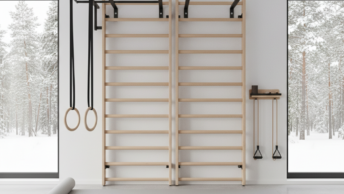
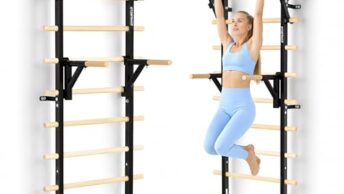
Gravity boots require a pull-up bar or rack, making them more compact and affordable. However, they demand more physical effort to get into position and require a higher baseline of upper body strength.
For those interested in expanding their training toolkit, 8 kettlebell exercises you need to add to your routine and 7 great resistance band exercises you should try complement inversion training well for overall functional fitness.
Conclusion
Gravity boots are a legitimate and effective tool for spinal decompression and inverted core training when used safely. For healthy adults who follow proper guidelines, the risks are minimal and the potential benefits are real. Choosing a reputable brand with solid construction and a reliable locking mechanism is the most important step toward a safe experience.
Whether you are managing lower back discomfort or simply looking to add variety to your training, gravity boots offer a unique approach that few other tools can replicate.
FAQs
Are gravity boots safe for beginners?
Yes, gravity boots can be safe for beginners as long as sessions are kept short and a spotter is present initially. Starting with partial inversion and gradually working toward full inversion reduces the risk of dizziness or discomfort.
How long should you hang in gravity boots?
Beginners should start with 1 to 2 minute sessions and work up to 5 to 10 minutes over several weeks. Hanging too long too soon can cause increased blood pressure in the head and discomfort in the ankles.
Can gravity boots help with back pain?
Many users report relief from lower back pain through regular inversion sessions. The theory is that hanging decompresses the spinal discs and reduces nerve pressure, though individual results vary and medical advice should be sought for chronic conditions.
What is the best brand of gravity boots?
Teeter is consistently rated as the best brand due to its build quality, safety features, and durability. Body-Solid and ProFitness are solid alternatives that offer good value for home gym users.
Do you need a special bar for gravity boots?
You need a pull-up bar or overhead rack that is securely mounted and rated to support your full body weight. Doorframe pull-up bars are generally not recommended due to stability concerns during inversion.
This article was last updated on August 31, 2026 .