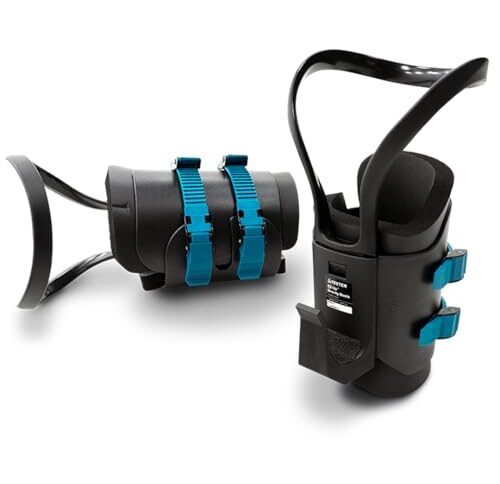
Gravity boots have been used by athletes, physical therapy patients, and fitness enthusiasts for decades as a way to decompress the spine and strengthen the core without the bulk of a full inversion table. The TEETER EZ-Up Gravity Boots are one of the most recognized options in this category, designed to hang from a standard pull-up bar or inversion rack and allow full body inversion at home or at the gym.
This review breaks down what these boots actually do, who they are best suited for, how they compare to competing products, and what you should know before buying.
Quick Answer
The TEETER EZ-Up Gravity Boots are a portable inversion tool that attaches to pull-up or gym bars, allowing users to hang upside down for spinal decompression, core training, and flexibility work. They are well-built, lightweight at 2 lbs per boot, and suited for most fitness levels looking for a lower-cost alternative to a full inversion table.
Key Takeaways
- The boots weigh just 2 lbs each and are designed for portability and use across multiple environments
- Dual self-locking buckles and 2.5-inch deep hooks provide a secure, reliable attachment to bars up to 1.25 inches in diameter
- Standard size fits calf circumference up to approximately 16 inches; an XL version is available for larger calves
- They can be used pre-workout for warm-up, mid-workout for inverted core exercises, and post-workout for decompression and recovery
- Optional calf loops and an EZ-Up strap are included to improve comfort and help users return to upright position
- These are not a medical device and should not replace professional treatment for serious spinal conditions
What Are Gravity Boots and How Do They Work?
Gravity boots are padded ankle cuffs with hooks that attach to a horizontal bar, allowing the user to hang fully inverted. When the body is suspended upside down, gravitational force works in reverse along the spine, creating traction that can temporarily increase the space between vertebrae.
This process, known as spinal decompression, may help relieve pressure on spinal discs and nerves. It is also used as a platform for inverted exercises like sit-ups, crunches, and squats, which engage the core and lower body under unique loading conditions.
For a broader look at inversion therapy and how gravity boots fit into a home fitness setup, the guide on Gravity Boots: Benefits, Risks, and Whether They Actually Work covers the topic in depth.
TEETER EZ-Up Gravity Boots: Features Breakdown
Build Quality and Materials
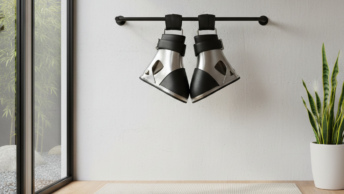
The outer shell is made from DuPont Hytrel, a flexible thermoplastic elastomer that balances rigidity with comfort. The interior foam liner is 5/8 inches thick and uses a special blend designed to distribute pressure evenly without compressing too much under load.
The hooks are the most critical safety component. At 2.5 inches deep and made from 40% glass-filled nylon, they are among the longest and strongest available in this product category. A non-skid lining inside the hook reduces movement against the bar while inverted.
Fit and Sizing
The standard version accommodates calf circumferences up to approximately 16 inches. An XL version is available for larger calves and does not include calf loops. The dual self-locking buckle system allows for a customized fit and adds a secondary layer of security beyond a single-point closure.
Included calf loops wrap around the upper calf to add support and encourage a slight knee bend, which can reduce strain on the knee joints and improve overall comfort during extended inversion.
Compatibility
The boots fit bars up to 1.25 inches in diameter, which covers most standard pull-up bars, gym rigs, doorway bars, and Teeter’s own inversion racks and tables. They are not compatible with bars wider than 1.25 inches, which is worth confirming before purchasing.
Compatible Teeter inversion table models include the EP-560, FitSpine X1, and NXT-S, among others, when converted with a pin-lock system.
Included Accessories
- Calf loops: Optional straps that wrap around the upper calf for added support
- EZ-Up Strap: Attaches to the inversion bar and assists users in pulling themselves back to an upright position, which is particularly helpful for beginners or those with limited core strength
Who Should Use Gravity Boots?
Gravity boots are appropriate for a wide range of users, but they are not suitable for everyone.
Good candidates include:
- People experiencing mild to moderate lower back tightness or disc-related discomfort
- Athletes looking for a portable recovery and mobility tool
- Fitness enthusiasts who want to add inverted core exercises like hanging sit-ups to their routine
- Home gym users who already have a pull-up bar and want to expand its utility
People who should avoid or consult a physician first:
- Those with high blood pressure, glaucoma, or cardiovascular conditions
- Pregnant individuals
- Anyone with recent joint injuries, fractures, or surgical hardware in the lower body
- People with severe osteoporosis or bone density concerns
If you are building out a home gym setup and considering where gravity boots fit in, the How to Build a Home Gym on a Budget guide offers practical guidance on equipment selection and priorities.
How to Use TEETER EZ-Up Gravity Boots
- Attach the boots to your ankles using the dual buckle system, ensuring a snug but not restrictive fit
- Clip the EZ-Up Strap to your bar if you are a beginner or plan to do extended sessions
- Grip the bar and slowly bring your knees up, allowing your body to invert gradually
- Begin with short sessions of 1 to 2 minutes to allow your body to adapt to inversion
- Perform exercises or simply hang for passive decompression depending on your goal
- Use the EZ-Up Strap or core strength to return to upright, then step down carefully
Beginners should never invert fully without a spotter or safety strap until they are comfortable with the motion and can return upright independently.
TEETER EZ-Up Gravity Boots vs. Competitors
Several gravity boot options exist at different price points. Here is how the TEETER EZ-Up compares to its most popular competitors.
The TEETER EZ-Up compared to the Body-Solid Gravity Boots and the Emer Gravity Inversion Boots shows notable differences in hook depth, weight, and included accessories. Compared to budget options like the Emer boots, TEETER’s glass-filled nylon hooks and dual-lock buckle system offer a more secure are lighter and include more comfort-focused features like the EZ-Up Strap and calf loops.
| Feature | TEETER EZ-Up | Body-Solid Gravity Boots | Emer Gravity Boots |
|---|---|---|---|
| Hook Depth | 2.5 inches | 2 inches | 1.75 inches |
| Boot Weight | 2 lbs each | 2.5 lbs each | 1.8 lbs each |
| Shell Material | DuPont Hytrel | Steel frame | Plastic composite |
| Dual Lock Buckles | Yes | No | No |
| Calf Loops Included | Yes | No | No |
| EZ-Up Strap Included | Yes | No | No |
| Max Bar Diameter | 1.25 inches | 1.5 inches | 1.25 inches |
| Size Options | Standard / XL | One size | One size |
The TEETER EZ-Up stands out for its safety-focused design and beginner-friendly accessories. The Body-Solid boots accommodate slightly wider bars, which may be relevant for certain gym setups. Budget options like the Emer boots sacrifice hook depth and security features, which matters when full bodyweight is suspended overhead.
Common Questions About Gravity Boots
Do gravity boots actually relieve back pain?
Inversion therapy, including gravity boot use, has shown some evidence for short-term relief of lower back pain by temporarily decompressing the lumbar spine. However, the effects are typically temporary and should be viewed as part of a broader approach to back health rather than a standalone treatment.
Can you do ab exercises with gravity boots?
Yes. Inverted crunches, sit-ups, and oblique twists are commonly performed using gravity boots. Because the body is inverted, these movements engage the core through a full range of motion under bodyweight resistance, making them a challenging alternative to standard floor exercises. Rotational Core Exercises](https://www.thefitness.blog/cable-wood-chop-alternatives-8-rotational-core-exercises/) offers useful supplementary movements.
How long should you hang in gravity boots?
Beginners should start with 1 to 2 minutes per session and gradually increase to 5 to 10 minutes as comfort and tolerance improve. Most users find benefit within this range without needing extended sessions.
Conclusion
The TEETER EZ-Up Gravity Boots offer a well-engineered, safety-conscious approach to inversion therapy and inverted exercise. The combination of deep hooks, dual-lock buckles, included accessories, and lightweight construction makes them a strong option for both beginners and experienced users.
They are not a medical device and should not replace professional care for serious spinal conditions. However, for general decompression, recovery support, and core training, they deliver reliable performance at a competitive price point.
FAQs
Are TEETER EZ-Up Gravity Boots safe for beginners?
Yes, when used with the included EZ-Up Strap and calf loops, they are accessible for beginners. Starting with short inversion sessions and using a spotter is recommended until the user is comfortable returning to upright independently.
What bar do I need for gravity boots?
The TEETER EZ-Up Gravity Boots fit any horizontal bar up to 1.25 inches in diameter, including standard pull-up bars, doorway bars, and Teeter inversion racks. Always confirm your bar diameter before purchasing.
Can gravity boots help with sciatica?
Inversion may temporarily reduce pressure on spinal nerves associated with sciatica. However, results vary and anyone with a diagnosed spinal condition should consult a physician before using gravity boots.
How do TEETER gravity boots differ from an inversion table?
Gravity boots require a pull-up bar and allow more active exercise while inverted, whereas inversion tables provide a more passive, controlled experience. Boots are more portable and lower cost, but require more physical effort to use safely.
Do the TEETER EZ-Up boots work for taller or heavier users?
Yes, the boots are designed to support a range of body types. Taller or heavier users should verify their calf circumference against the size guide and consider the XL version if their calves exceed approximately 16 inches.
This article was last updated on June 2, 2026 .