
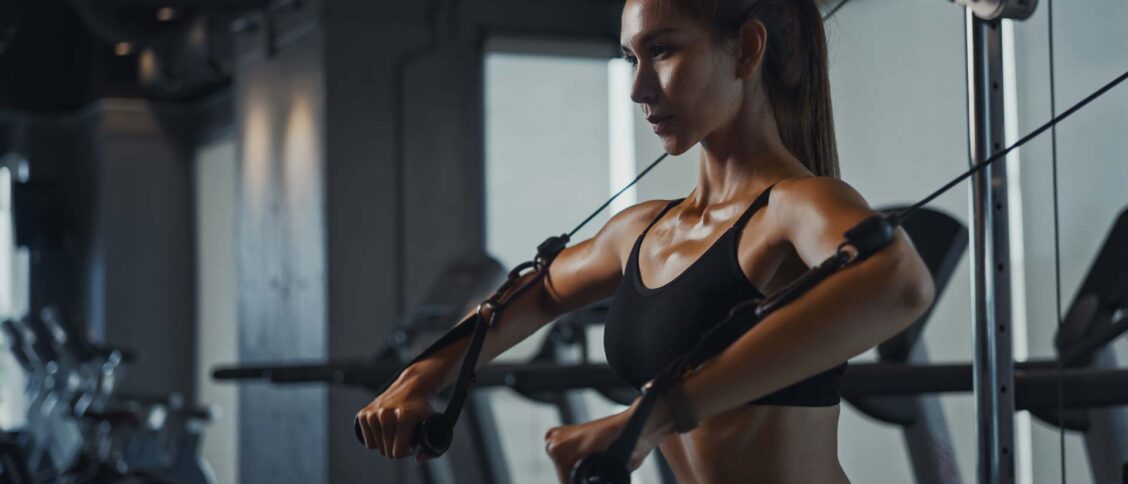
The cable chest fly attachment is an essential piece of gym equipment that has revolutionized the way fitness enthusiasts target their chest muscles. This versatile tool, when paired with a cable machine, allows for smooth, controlled movements that effectively engage the pectoral muscles while providing constant tension throughout the exercise range of motion. Whether you’re building a home gym setup or maximizing your commercial gym workouts, understanding this attachment’s benefits and proper usage is crucial for chest development.
What Is a Cable Chest Fly Attachment?
A cable chest fly attachment is a specialized handle designed to be used with cable machines for performing chest fly exercises. These attachments typically feature a D-shaped or straight handle with a rotating connection point, allowing for natural movement patterns during exercises. The design enables users to perform various chest-focused movements while maintaining proper form and maximizing muscle engagement.
Unlike fixed handles or basic gym grips, cable chest fly attachments are engineered specifically for the unique biomechanics of fly movements. The rotating mechanism prevents wrist strain and allows your arms to move through their natural arc of motion, which is essential for both safety and muscle activation.
Key Components
| Component | Purpose | Why It Matters |
|---|---|---|
| Ergonomic handles | Comfortable grip during extended sets | Prevents hand fatigue and grip failure |
| Rotating swivel points | Fluid, natural movement patterns | Reduces wrist and elbow strain |
| Durable steel construction | Long-lasting performance and safety | Supports heavy weights without breaking |
| Quick-release carabiners | Easy attachment and removal | Allows fast transitions between exercises |
| Rubber/foam grip covers | Enhanced comfort and grip security | Prevents slipping during sweaty workouts |
Benefits of Using Cable Chest Fly Attachments
When it comes to chest development, cable chest fly attachments offer several advantages over traditional free weights and dumbbell exercises. The constant tension provided by cables keeps your muscles under load throughout the entire range of motion, unlike dumbbells where tension decreases at the top of the movement.
| Benefit | Impact on Training | Practical Application |
|---|---|---|
| Constant tension | Maintains muscle engagement throughout entire range of motion | Greater time under tension leads to increased muscle growth |
| Superior isolation | Targets chest muscles without excessive shoulder involvement | Allows focused chest development without fatigue in other muscle groups |
| Joint-friendly | Reduced stress on shoulder joints compared to heavy pressing | Enables training through minor shoulder discomfort safely |
| Variable resistance | Adjustable weight for progressive overload | Easy to increase or decrease weight between sets |
| Mind-muscle connection | Improved muscle control and awareness | Better muscle activation equals better results |
| Exercise variety | Multiple angles and variations possible | Prevents plateaus and keeps workouts engaging |
The isolation benefits are particularly valuable for bodybuilders and physique competitors who need to develop specific areas of the chest. When combined with compound movements like the bench press, cable flies create a comprehensive chest training program.
Popular Exercises Using Cable Chest Fly Attachments
The versatility of cable chest fly attachments allows for numerous exercise variations to target different areas of your chest, complementing your chest workout routine. Each variation emphasizes different portions of the pectoral muscles, allowing for complete chest development.
Standing Cable Fly
The standard standing cable fly is a fundamental exercise that targets the entire chest region. Position yourself between two cable machines with the pulleys set at chest height, grab the attachments, and perform a hugging motion while maintaining a slight bend in your elbows. This exercise is excellent for building overall chest mass and developing the mind-muscle connection essential for advanced training.
Low-to-High Cable Fly
This variation emphasizes the upper chest muscles, which are often underdeveloped in many lifters. Set the cables at the lowest position and perform an upward fly motion, similar to a hugging movement angled upward—perfect for developing the upper pecs alongside incline bench press movements. The upper chest is crucial for creating that full, rounded look from the collar bone down.
High-to-Low Cable Fly
Targeting the lower chest, this exercise involves setting the cables at the highest position and performing a downward fly motion. This exercise is particularly effective for developing the lower portion of the pectoralis major and creating definition along the lower chest line. Many lifters neglect this area, making it a valuable addition to any program.
Single-Arm Cable Fly
This unilateral variation not only targets the chest but also engages your core for stability. It’s excellent for correcting muscle imbalances and can be performed at any cable height to target different chest portions. Single-arm work also allows you to focus intensely on one side at a time, often leading to better muscle activation.
Crossover Cable Fly
By crossing your hands past the midline of your body, you achieve maximum chest contraction. This variation is particularly effective as a finishing movement when you want to completely exhaust the chest muscles. The extended range of motion recruits more muscle fibers than standard flies.
Exercise Variations Comparison
| Exercise | Primary Target | Cable Position | Best For | Rep Range |
|---|---|---|---|---|
| Standing Cable Fly | Middle chest | Mid-level | Overall chest development | 10-15 |
| Low-to-High Fly | Upper chest | Low position | Building upper pec definition | 12-15 |
| High-to-Low Fly | Lower chest | High position | Lower chest mass | 10-15 |
| Single-arm Fly | Chest + core | Any position | Correcting imbalances | 8-12 per side |
| Crossover Fly | Inner chest | Mid to high | Maximum contraction | 12-20 |
Top Cable Chest Fly Attachment Brands
Choosing quality gym equipment ensures safety and longevity. Here’s a breakdown of the most trusted manufacturers in the fitness industry.
| Brand | Popular Models | Price Range | Best Feature | Warranty |
|---|---|---|---|---|
| Rogue Fitness | Pro Series Handle, Standard Cable Handle | $$$ | Premium durability and rotating mechanism | Lifetime |
| Body-Solid | Pro-Grip Multi-Exercise, Revolving Straight Handle | $$ | Versatile design for multiple exercises | 5 years |
| Titan Fitness | Heavy-Duty Cable Handle, Rotating D-Handle | $ | Budget-friendly without sacrificing quality | 1 year |
| Iron Master | Quick-Lock Cable Handle | $$$ | Fastest attachment changes | Lifetime |
| CAP Barbell | Standard D-Handle, Tricep Rope | $ | Wide availability and affordability | 1 year |
Choosing the Right Cable Chest Fly Attachment
When selecting a cable chest fly attachment for your training needs, several factors should guide your decision. The right attachment can make the difference between an effective workout and wasted effort.
Construction Quality – Look for attachments made from high-grade steel with quality welding and finishing. Chrome-plated or powder-coated options resist rust and corrosion. This ensures durability and safe usage during intense workouts. Inspect welds carefully, as this is often where cheaper attachments fail under heavy loads.
Handle Design – Choose between straight handles, D-handles, or specialized grips based on your comfort and exercise preferences. D-handles offer more versatility and are generally preferred for fly movements due to their natural grip angle. Straight handles work well for pressing variations and tricep exercises. Some users prefer the versatility of D-handles, while others favor straight handles for certain movements.
Weight Capacity – Ensure the attachment can handle your intended working weights with a safety margin. Most quality attachments support 400-500 pounds or more, well beyond typical usage requirements. However, cheaper attachments may have lower limits, so always check manufacturer specifications.
Grip Comfort – The grip surface should be comfortable enough for high-rep sets without causing hand pain. Knurled metal grips provide excellent security but can be harsh on hands. Rubber or foam-coated handles offer more comfort for longer training sessions.
Programming Cable Flies Into Your Routine
For optimal results, cable chest flies should be strategically placed in your strength training program. Most lifters find success performing flies after compound pressing movements when the chest is pre-fatigued. This allows you to use the isolation movement to completely exhaust the muscle without needing excessively heavy weights.
A sample chest workout might include:
- Barbell bench press (4 sets of 6-8 reps)
- Incline dumbbell press (3 sets of 8-10 reps)
- Cable flies – mid position (3 sets of 12-15 reps)
- Low-to-high cable flies (3 sets of 12-15 reps)
This structure uses cables to finish the workout with high-rep isolation work that maximizes muscle pump and metabolic stress.
Maintenance and Care
To ensure longevity and optimal performance of your cable chest fly attachments, proper maintenance is essential. Well-maintained equipment not only lasts longer but also remains safer to use.
- Regular inspection of connection points and swivels for wear or damage
- Cleaning after use to prevent sweat accumulation that causes corrosion
- Periodic lubrication of rotating components with silicone-based lubricant
- Storage in a dry area to prevent rust, especially in humid climates
- Immediate replacement of worn grip covers before they tear completely
For commercial gym owners, implementing a weekly equipment check schedule helps catch problems before they become safety hazards.
Safety Considerations
While cable chest fly attachments are generally safe when used with proper technique, following these guidelines is crucial for injury prevention:
- Always inspect attachments before use for cracks, bent metal, or worn carabiners
- Maintain proper form throughout exercises with controlled movements
- Start with lighter weights to master technique before progressing
- Ensure secure connection to cable machines with carabiners fully closed
- Keep fingers away from moving parts and pulleys during exercise
- Use a weight that allows you to complete reps with proper form
- Stop immediately if you feel sharp pain, especially in shoulders or elbows
Frequently Asked Questions
What’s the difference between cable flies and dumbbell flies? Cable flies provide constant tension throughout the entire movement, while dumbbell flies lose tension at the top when dumbbells are directly overhead. Cables also offer better joint safety due to the guided path and allow for more angle variations. Additionally, cables eliminate the need to control the weight in space, allowing better focus on chest contraction.
How heavy should I go on cable chest flies? Start with 30-40% of your bench press weight for each arm. Focus on form and muscle contraction rather than heavy weight. Most lifters use 15-30 pounds per side effectively. Remember, flies are an isolation exercise, not a strength builder, so ego lifting serves no purpose and increases injury risk.
Can cable flies replace bench press? No, cable flies are an isolation exercise and should complement compound movements like bench press, not replace them. Use both for complete chest development. Compound movements build overall mass and strength, while flies add detail and definition. Think of pressing movements as the foundation and flies as the finishing touches.
How many sets of cable flies should I do? Perform 3-4 sets of 10-15 reps per workout. Cable flies work well as a finishing exercise after compound pressing movements. For hypertrophy focus, aim for the higher end of the rep range. Advanced lifters sometimes perform up to 6 sets using techniques like drop sets or rest-pause training.
Are cable flies safe for shoulder pain? Cable flies are generally more shoulder-friendly than heavy pressing due to the controlled movement path and reduced joint stress. However, consult a healthcare professional if you have existing shoulder issues. The key is keeping the movement in front of your body and avoiding excessive stretch at the bottom position. Many lifters with shoulder problems can perform cable flies pain-free when proper form is maintained.
Conclusion
Cable chest fly attachments are invaluable tools for anyone serious about chest development. Their versatility, effectiveness, and safety features make them essential equipment in any comprehensive workout routine. Whether you’re a beginner learning proper chest activation or an advanced lifter pursuing maximum muscle development, incorporating these attachments into your training can help you achieve your chest development goals more effectively.
The constant tension, multiple angle options, and joint-friendly nature of cable flies make them superior to many other isolation movements for chest training. When combined with quality compound pressing movements and proper nutrition for muscle growth, cable flies become a powerful tool in your muscle-building arsenal.
Remember to choose quality equipment, maintain proper form, and gradually progress in your training. With consistent use and proper technique, cable chest fly attachments can be a game-changer in your chest workout routine. Invest in a quality attachment, learn the variations, and watch your chest development reach new levels.
This article was last updated on January 21, 2026 .


